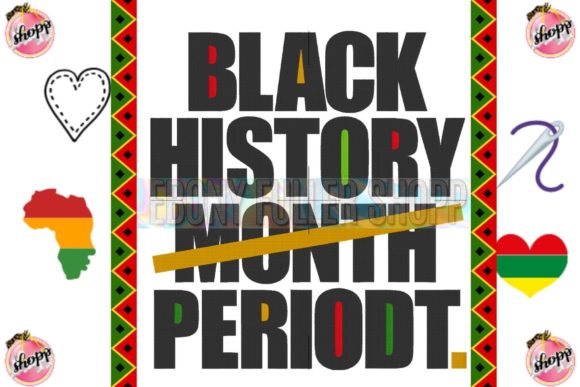
Black History Month Period Embroidery Review
As an embroidery designer who spends hours tweaking stitch paths and testing thread tensions, I approach every new digital file with a mix of excitement and skepticism. When I first pulled up Black History Month Period on Creative Fabrica, I wasn’t just looking at a graphic; I was visualizing the finished product on a hoop. For creators who specialize in meaningful, personalized gifts, this design offers a unique opportunity to blend historical significance with modern aesthetic appeal. It is not merely a seasonal decoration; it is a statement piece that carries emotional weight, making it perfect for thoughtful handmade products.
First Impressions: Visual Appeal and Emotional Resonance
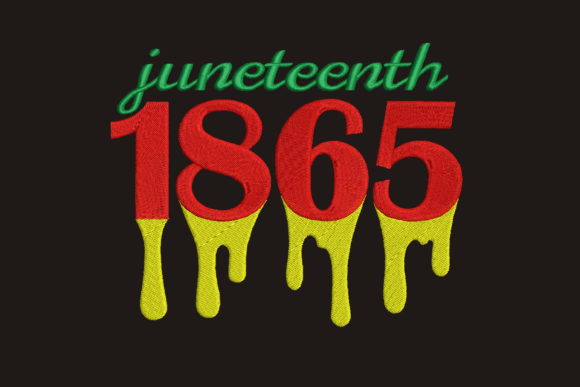
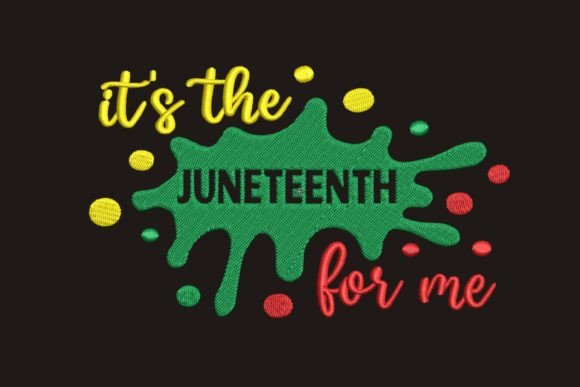
The immediate charm of Black History Month Period lies in its balance of elegance and warmth. Unlike some designs that feel cluttered or overly complex, this one possesses a clean, decorative style that translates beautifully into thread. The typography feels soft yet confident, avoiding harsh angles in favor of a flow that invites the eye to linger. From a designer’s perspective, the visual rhythm suggests a design that will look stunning whether stitched onto a crisp white cotton pillow cover or a textured linen tote bag.
What stands out most is the "handmade charm" inherent in the layout. It doesn’t scream for attention but rather whispers a story. This subtlety is crucial for high-end gift items. Whether you are creating a keepsake for a family reunion, a special wedding gift, or a nursery item, the design conveys sophistication without being stiff. It feels classic enough to remain relevant year after year, yet timely enough to celebrate the specific spirit of Black History Month. The aesthetic is versatile, bridging the gap between cozy, homey decor and chic, contemporary fashion accessories.
Real-World Applications for Personalized Gifts
One of the strongest selling points of this machine embroidery design is its adaptability across various product categories. In my own workflow, I often look for designs that can be easily integrated into best-selling items. Here is how Black History Month Period shines in real-world scenarios:
- Baby Embroidery and Nursery Decor: Imagine a soft muslin swaddle blanket or a crib sheet featuring this design. The gentle curves of the lettering make it ideal for baby showers, offering a meaningful way to honor heritage from the very beginning. It adds a layer of depth to standard nursery themes.
- Wedding Gifts and Bridal Showers: For couples who want to incorporate their cultural identity into their wedding day, this design works beautifully on hand towels, bathrobes, or even guest book covers. It serves as a sophisticated wedding gift that celebrates love and history simultaneously.
- Custom Home Decor: Pillow covers are a staple for Etsy sellers. Stitching this onto velvet, felt, or heavy cotton creates a tactile focal point for living rooms or reading nooks. It transforms a simple throw pillow into a conversation starter.
- Apparel and Accessories: While less common for formal wear, this design fits perfectly on denim jackets, canvas totes, or aprons. It adds a personal touch to everyday items, making them unique handmade products that stand out in a crowded market.
- Commercial Embroidery Projects: For small business owners producing batch orders for local boutiques or corporate diversity initiatives, this design provides a professional finish that resonates with customers seeking authentic representation.
Practical Considerations for the Embroiderer
While the visual potential is high, translating a digital file into a physical object requires careful technical execution. As an experienced designer, I always advise checking the following before committing to production runs:
Stitch Density and Detail Level: The text in Black History Month Period appears to have varying line weights. It is essential to review the stitch density to ensure that thin lines do not pucker on lighter fabrics. If the design includes delicate shapes or fine details, these areas need adequate support. A dense fill might overwhelm a sheer fabric, while a sparse outline might get lost on a thick, textured towel. Always create a test stitch-out on the exact fabric you plan to use to gauge how the threads interact with the material.
Fabric Texture and Stabilizer Choice: The choice of stabilizer is critical. For stretchy baby clothes or knit fabrics, a cut-away stabilizer is usually necessary to prevent distortion. For woven items like tote bags or aprons, a tear-away may suffice if the design area is stable. Be mindful of the fabric texture; rough burlap or highly textured weaves can hide small details, so you may need to adjust your thread colors for better contrast. On dark fabrics, using a topstitch or a contrasting thread color can help the design pop, whereas light fabrics allow for more subtle, tonal stitching.
Thread Color Contrast: The success of any embroidery project often hinges on thread selection. Because this design has a strong typographic focus, the thread color must complement the background fabric without blending in too much. I recommend experimenting with metallic threads for a luxurious finish on black or navy backgrounds, or soft pastels for a gentler look on cream or white materials. Always compare thread colors against your fabric under natural lighting to ensure readability and aesthetic harmony.
Ensuring Quality and Customer Trust
For Etsy sellers and small shop owners, the quality of your embroidery directly impacts customer trust and perceived value. A sloppy stitch-out can lead to returns and negative reviews, while a pristine finish builds brand loyalty. When presenting Black History Month Period as a finished product, pay attention to the presentation. Neatly trimmed threads, proper backing removal, and professional packaging enhance the giftability of the item.
Furthermore, consider how the design affects buyer engagement. Customers buying personalized gifts are often looking for emotional connection. A well-executed embroidery project tells a story of care and craftsmanship. When buyers see the precision in the stitches and the thoughtfulness of the message, they are more likely to leave positive feedback and recommend your shop to others. High-quality photos that highlight the texture of the thread and the clarity of the design will further boost your conversion rates.
Final Thoughts on Usability and Licensing
Before adding Black History Month Period to your catalog, remember to verify the specific technical details provided by the creator. Check the embroidery file formats to ensure compatibility with your machine software. Confirm the recommended hoop size to avoid resizing issues that could distort the aspect ratio of the text. Additionally, carefully review the licensing terms on Creative Fabrica to understand what is permitted for commercial use, especially if you are producing large batches for sale.
Ultimately, this design is a valuable addition to any embroiderer’s library. It combines artistic merit with practical versatility, allowing you to create custom embroidery pieces that are both beautiful and meaningful. By paying attention to the technical nuances—from stabilizer selection to thread contrast—you can transform this digital file into a cherished keepsake that honors heritage with style and grace.