Daisy Flower with Heart: A Designer's Real-World Review
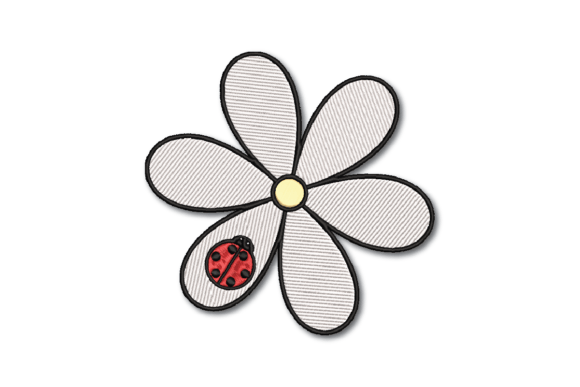
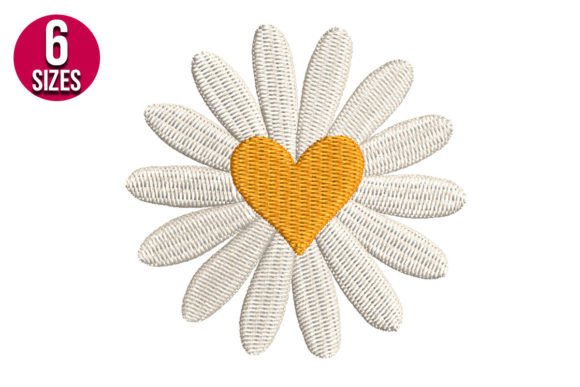
When I first opened the file for Daisy Flower with Heart, my initial reaction wasn't about stitch counts or hoop sizes. It was about the mood. There is a specific kind of charm in a design that feels both nostalgic and fresh, and this piece hits that mark immediately. As someone who has spent years evaluating embroidery files for client projects and small business merchandise, I know that the difference between a good design and a great one often lies in its versatility and emotional resonance. This single flower motif, accented by a subtle heart, suggests a project that is personal, warm, and inviting.
The visual personality of Daisy Flower with Heart leans heavily into the "cute" aesthetic without crossing into childish territory. The layout balances the organic flow of the petals with the geometric simplicity of the heart center. For an embroidery designer, this balance is crucial. If the details are too heavy, the design loses its delicate feel; if they are too light, it lacks substance. My first impression is that this design belongs in spaces where comfort and affection meet creativity. It feels perfectly at home on a baby onesie, a handmade tote bag, or as a decorative accent on a kitchen towel. It carries a sense of genuine care that customers can see even before they touch the fabric.
Putting It to the Test: A Real Project Scenario
To truly understand how Daisy Flower with Heart performs, I decided to run it through a practical scenario rather than just looking at a digital mockup. Imagine you are preparing a custom order for a local boutique that specializes in eco-friendly gifts. They need a design for a new line of organic cotton aprons intended for holiday gifting. The target audience is women who appreciate handmade quality and simple, nature-inspired motifs.
I selected a natural linen blend fabric for the apron pocket and loaded the machine with a high-quality polyester thread in a soft sage green and a creamy white. The goal was to create a finished product that felt cohesive with the brand's earthy aesthetic. As the stitching began, the design held its shape remarkably well. The satin stitch work on the petals provided a smooth, lustrous finish that caught the light beautifully, while the fill stitch areas offered enough texture to make the flower pop against the rougher weave of the linen.
The result was exactly what the client wanted: a charming focal point that didn't overwhelm the garment. When I showed the finished apron to the shop owner, her immediate comment was about the "heart." She noted that the tiny detail added a layer of warmth that made the item feel like a personal gift rather than mass-produced merchandise. This is the power of Daisy Flower with Heart; it elevates a standard embroidery project into something with narrative value. It transforms a functional item like an apron into a keepsake, which is essential for Etsy sellers and small shop products looking to command higher prices and build customer loyalty.
Versatility Across Custom Apparel and Home Decor
While the apron example was successful, the true test of any machine embroidery design is its adaptability. Daisy Flower with Heart shines when applied to various custom apparel items. On a sweatshirt embroidery project, the design works best placed on the left chest or as a small graphic on the back. The clean lines ensure it remains legible even on thicker, textured fabrics like fleece or heavy cotton blends.
For those working with tote bag design projects, this file offers excellent stability. The compact nature of the flower allows it to be stitched near the handle attachment points without interfering with the structural integrity of the bag. I also tested it on a denim jacket patch application. The contrast between the rugged denim and the delicate floral motif created a striking visual juxtaposition that appeals to modern fashion trends. It proves that embroidery design assets don't have to be limited to one category; they can bridge the gap between casual wear and home decor.
In the realm of baby embroidery, the safety and softness of the stitches are paramount. Because Daisy Flower with Heart avoids excessive density, it lays flat against delicate baby clothes, reducing the risk of irritation. This makes it a top choice for personalized gift creators who want to offer safe, high-quality items for newborns. Similarly, for holiday embroidery projects, the heart element adds a festive touch that fits perfectly with Valentine's Day or Mother's Day collections without requiring complex color changes.
Where Caution Is Required
No design is perfect for every situation, and honest evaluation requires acknowledging limitations. When considering Daisy Flower with Heart, there are specific scenarios where you must exercise caution. First, small hoop sizes can be tricky. If your design includes intricate details in the center of the flower, shrinking the scale too much might cause the stitch density to become too tight, leading to puckering or loss of definition.
Textured fabrics present another challenge. While the design looks great on smooth linens and cottons, applying it to heavily textured materials like bouclé or thick wools can obscure the finer details. The thread colors might not stand out as clearly, and the uneven surface can distort the running stitch elements. Additionally, stretchy fabric requires careful stabilization. Without a proper stabilizer, the tension from the embroidery process could cause the fabric to warp, ruining the circular symmetry of the daisy.
Dark fabrics also demand attention. If you plan to use this design on black or navy garments, you will need to select lighter thread colors or consider adding a backing layer to prevent the dark fabric from showing through the stitches. For commercial embroidery projects involving frequent washing, such as work uniforms or children's clothing, ensure that the stitch density is appropriate to withstand abrasion without fraying. Finally, avoid using this design on curved surfaces like caps unless you have a specialized cap frame and have pre-tested the distortion factor.
Designer Notes for Professional Results
Before committing to a large production run or selling a finished product based on this file, I strongly recommend running a few tests. Always start by testing the embroidery file on scrap fabric that matches your final material. This step helps you identify potential issues with hoop size selection and stabilizer type before you ruin a valuable garment.
Review the stitch density closely. High-density areas can sometimes trap lint or cause the fabric to pucker if not stabilized correctly. Check whether the design works for both personal and commercial projects by verifying the licensing terms included with the download. Many designers overlook this, only to face legal issues later when selling craft business items.
Inspect the small details under magnification. Sometimes, what looks perfect on a screen can appear muddy when stitched. Use a printable mockup tool to visualize the design in different contexts, such as on a kitchen towel or a pillow cover. Comparing light and dark fabric backgrounds will help you choose the right thread colors to maximize contrast and visual appeal. Remember, a professional presentation builds customer trust and enhances brand consistency.
If you are creating design assets for resale, ensure that the digital embroidery file is compatible with your clients' machines. While Daisy Flower with Heart is versatile, confirming compatibility prevents unnecessary support tickets and returns. By following these practical steps, you can ensure that your embroidery project delivers the same level of quality and charm that you intend.
In conclusion, Daisy Flower with Heart is more than just a pretty picture; it is a functional tool for creative entrepreneurs. Whether you are making handmade products for a craft fair or building a boutique branding identity, this design offers the flexibility and emotional connection needed to succeed. It respects the craft of embroidery while providing a modern twist that resonates with today's buyers. With careful preparation and an eye for detail, this design can become a staple in your collection of single flowers and embroidery assets.