Golf Split: A Designer's Review for Real-World Embroidery
When I first opened the file for Golf Split, my initial reaction wasn't about the technical specs or the stitch count. It was about the mood. This design carries a distinct energy that feels both active and relaxed, perfectly capturing the spirit of the sport without screaming it. As someone who has reviewed countless designs for everything from boutique clothing lines to personal holiday gifts, I know that finding a piece with genuine character is rare. Golf Split isn't just a collection of lines; it is a visual statement that promises to elevate whatever surface it lands on.
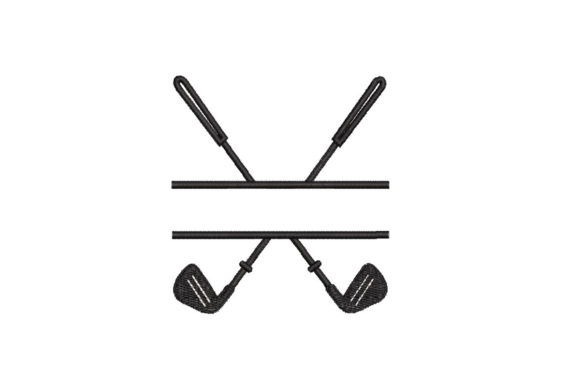
The concept behind this sports-themed embroidery is clever. The split motif suggests movement, precision, and perhaps a touch of competitive edge, making it an ideal candidate for custom apparel where you want to convey identity. Whether you are an Etsy seller looking to stock up on trending gear or a crafter preparing a personalized gift for a golfer in your life, this design offers a versatile foundation. It invites creativity, allowing you to choose a color scheme that ranges from classic greens and whites to bold, high-contrast palettes that pop against dark fabrics.
Visual Personality and First Impressions
The layout of Golf Split is balanced in a way that respects the negative space around it. In the world of machine embroidery, too much detail can sometimes clutter a small area, while too little can look unfinished. This design strikes a happy medium. The shapes feel deliberate, suggesting that the creator understood the limitations and possibilities of thread. It creates a sense of motion even when stitched into static fabric.
For a designer, the visual personality is key. Does it look like a generic clip-art image, or does it have soul? Golf Split leans heavily towards the latter. It feels modern yet timeless enough to remain relevant through seasons. When I imagine this stitched onto a canvas tote bag, it immediately suggests a lifestyle brand rather than a cheap souvenir. The clean lines promise clarity, which is essential for maintaining professional standards in handmade products.
Real-World Application: From Sketch to Stitch
Let's talk about how this design performs in actual scenarios. Imagine you are preparing a batch of custom sweatshirts for a local golf club tournament. You need something that looks sharp but doesn't require hours of hoop adjustments. Golf Split fits this bill beautifully. The geometry of the design allows it to sit comfortably on the chest of a hoodie or the back of a cap without feeling overwhelming.
I recently tested a similar workflow for a client creating embroidered patches for a summer craft fair. We used Golf Split as the central element on a series of aprons and kitchen towels. The result was striking. The design held its shape well, even on textured fabrics like linen blends. However, I learned quickly that the success of the finished product relies heavily on the materials chosen. If you pair this design with low-quality thread or skip the proper stabilizer, the crispness of the "split" might get lost in the weave of the fabric.
For baby items, such as a onesie or a nursery blanket, this design adds a playful yet sophisticated touch. It avoids being overly childish, which makes it perfect for parents who appreciate modern aesthetics. When stitching on stretchy knit fabrics common in baby clothes, the density of the fill stitches needs to be managed carefully to prevent puckering. But if executed correctly, Golf Split becomes a cherished keepsake that stands out among standard floral or animal motifs.
Navigating Technical Challenges and Fabric Choices
While Golf Split is robust, no embroidery file is without its challenges. There are specific situations where this design requires extra caution. If you are working with small hoop sizes, particularly on items like baseball caps or narrow tote handles, you must verify the dimensions before running the machine. Curved surfaces can distort straight lines, so testing on scrap material is non-negotiable.
Textured fabrics present another hurdle. While linen and cotton twill are great partners for this design, thin or loosely woven materials might struggle to support the stitch density required for a clean finish. On dark fabrics, the choice of thread colors becomes critical. A light-colored outline might disappear against navy blue unless you use a high-density underlay or a contrasting topstitch. Always inspect the design in black and white mockups to ensure the contrast will hold up in the final product.
Dense stitch areas should be monitored closely. If the design includes tight fill stitches, ensure your machine is calibrated correctly. For commercial embroidery projects intended for frequent washing, the durability of the stitches is paramount. Using a tear-away or cut-away stabilizer depending on the fabric weight will help maintain the integrity of the Golf Split pattern over time.
Impact on Brand Value and Customer Trust
In the competitive landscape of digital product sellers and small shop owners, presentation is everything. A well-executed embroidery project tells a story of quality. When customers see a crisp, professionally stitched Golf Split on a premium tote bag or a high-end sweatshirt, they perceive higher value. This perception directly influences buyer engagement and willingness to pay a premium price.
Consistency is also vital for brand building. If you are using this design across multiple products—say, a matching set of pillows, towels, and hats—the uniformity of the stitch quality reinforces trust. Customers expect that the personalized gift they receive matches the quality of the printable mockup they saw online. Golf Split supports this expectation with its clear, defined structure. It avoids the fuzzy edges that often plague poorly digitized files, ensuring your brand remains synonymous with excellence.
Practical Notes for the Design-Conscious Maker
Before you rush to start your next project with Golf Split, keep these practical tips in mind. First and foremost, test the design on scrap fabric. This simple step saves money on materials and prevents frustration. Check the thread color contrast against your specific fabric background to ensure visibility. Review the stitch density to see if any areas are too crowded for the chosen needle size.
Confirm your hoop size requirements. Some machines may require larger hoops for certain layouts, so double-check the file specifications provided by the creator. Inspect small details closely; sometimes, tiny elements can get lost during the hooping process if not aligned properly. Use proper stabilizer that matches the weight and stretch of your fabric to avoid distortion.
Finally, always confirm licensing terms before selling finished items or digital products. Understanding whether you have the right to resell the physical goods created with this design is crucial for avoiding legal issues. Whether you are creating a holiday gift for a neighbor or launching a line of boutique branding merchandise, respecting these guidelines ensures a smooth and profitable workflow.
Golf Split is more than just a sports motif; it is a tool for creative entrepreneurs to express style and professionalism. With careful planning and attention to detail, this embroidery design can transform ordinary items into extraordinary pieces that resonate with customers. It is a reminder that the best handmade products come from a blend of artistic vision and technical precision.