I Worked My Whole Life for This Shirt Review
There is a specific kind of satisfaction that comes from stitching a design that speaks directly to the wearer's journey. When I first encountered I Worked My Whole Life for This Shirt, I didn't just see text; I saw a statement piece waiting to happen. As someone who has spent years reviewing digital assets for real-world production, my initial reaction was one of cautious optimism. The phrase carries weight, and in the world of handmade goods, that emotional resonance can make or break a product.
This isn't just another generic quote floating in a library of clip art. It feels tailored for the artisan who wants to create something with soul. Whether you are an Etsy seller looking to expand your boutique collection or a hobbyist making a gift for a retiring teacher, this machine embroidery design offers a unique narrative. It fits perfectly into the category of Work, but its application goes far beyond the office. It belongs on the apron of a chef, the tote bag of a contractor, or the sweatshirt of a parent who has sacrificed sleep for their family.
The First Stitch: Visual Personality and Mood
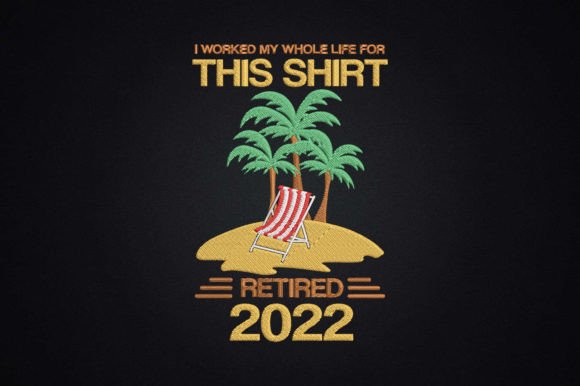
Before I even loaded the hoop, I analyzed the layout. The typography in I Worked My Whole Life for This Shirt suggests a balance between boldness and approachability. For a design to work in commercial embroidery, it needs to be legible from a distance while still inviting a closer look. The visual personality here is confident without being aggressive. It creates a mood of accomplishment and quiet pride.
In terms of stitch density, designs with long phrases often struggle with readability if the fill stitches are too heavy. However, this design appears to have enough negative space to allow the fabric texture to breathe. This is crucial when working with materials like cotton tees or linen scarves. If the stitch count is too high, the fabric can pucker, ruining the drape of the garment. A professional designer knows that less is often more, and this file seems to respect the integrity of the material it will adorn.
Real-World Application: From Scrap Fabric to Shop Floor
Let's talk about how this design performs in actual scenarios. Imagine you are preparing a custom embroidered tote bag for a local craft fair. You want something that resonates with the hardworking parents and small business owners browsing your booth. I Worked My Whole Life for This Shirt would be a standout addition. The message aligns perfectly with the ethos of handmade commerce—acknowledging the effort behind every creation.
I also envision this design on a baby item, perhaps a onesie or a soft blanket for a nursery. Parents often joke about working "their whole life" to raise children, so there is a humorous yet touching angle here. When stitched onto a delicate baby garment, the contrast between the playful sentiment and the soft fabric creates a memorable personalized gift. It transforms a simple piece of clothing into a keepsake that tells a story.
For those selling on platforms like Etsy, this design is a goldmine for seasonal collections. Holiday gifts often lean towards sentimental value. A kitchen towel featuring this phrase could become a cherished item for a grandmother who has spent decades cooking for her family. Similarly, it works beautifully as a patch for a denim jacket or a cap, adding a touch of personality to a uniform or casual wear. The versatility of the embroidery file means it can adapt to various products, from pillow covers to aprons, provided the stabilizer is chosen correctly.
Navigating Technical Challenges and Limitations
While the concept is strong, practical execution requires attention to detail. Not every surface is created equal. If you plan to use this design on stretchy fabrics like jersey knit t-shirts, you must ensure you are using the right stabilizer to prevent distortion. Stretchy materials can cause the lettering to warp during the stitching process, especially if the design includes dense satin stitches around the edges of the letters.
Another area to consider is the hoop size. Large phrases require larger hoops to maintain tension. If you are working with a 4x4 inch hoop, this design might feel cramped, potentially cutting off parts of the text or forcing you to split the embroidery into two sections. Splitting increases the risk of misalignment, which can ruin the finished product. Always check the dimensions before starting a run.
Texture also plays a significant role. On heavily textured fabrics like fleece or boucle, fine details might get lost. The thread colors need to stand out against the background. If you are using dark fabric, light thread is essential for visibility. Conversely, on light fabrics, darker threads provide the necessary contrast. I recommend testing the design on scrap fabric first to ensure the thread colors pop and the stitch density doesn't overwhelm the material.
Impact on Brand Value and Customer Trust
In the world of small business, presentation is everything. A well-executed embroidery project signals quality and care. When a customer receives a product with I Worked My Whole Life for This Shirt stitched neatly and precisely, they perceive higher value. It shows that the maker put thought into the details. This level of professionalism builds trust and encourages repeat purchases.
However, sloppy execution can have the opposite effect. If the design is poorly centered or the threads are frayed, it undermines the brand's reputation. That is why reviewing the stitch density and checking for loose ends is non-negotiable. A clean finish makes the product feel premium, whether it is a $10 tote bag or a $50 hoodie. In a crowded market like craft fairs or online shops, the difference between a mediocre product and a bestseller often lies in these finishing touches.
Essential Designer Notes for Success
Before you dive into production, there are a few critical steps to take. First, always test the design on scrap fabric that matches your final material. This allows you to adjust the tension and stabilizer type without risking a saleable item. Second, review the file formats included. Most modern machines accept multiple formats, but compatibility varies by brand. Ensure your machine can read the specific embroidery file you are using.
Check the licensing terms carefully. Some digital products allow for personal use only, while others permit commercial sales of finished items. If you plan to sell products made with this design, confirm that the license covers commercial use to avoid legal issues. Additionally, inspect the small details in the design. Tiny lettering or intricate corners can sometimes cause issues if the fabric is too thick or the thread is too thin.
Finally, consider the color palette. Thread colors can shift depending on lighting and fabric texture. What looks vibrant in a digital mockup might appear dull on a matte cotton shirt. Test different thread combinations to find the perfect match. By taking these precautions, you ensure that I Worked My Whole Life for This Shirt delivers the impact it promises.
Ultimately, this design is more than just text; it is a celebration of effort and dedication. For designers, sellers, and makers, it offers a powerful tool to connect with customers on an emotional level. With careful planning and technical precision, it can elevate any embroidery project into a standout piece that people will cherish.