In the Hoop Chick: A Designer's Review for Craft Fairs
As an experienced embroidery designer who has spent countless weekends setting up booths at local craft fairs and managing a handmade shop online, I know that the difference between a design that sits on a shelf and one that flies off the table often comes down to practicality and visual impact. When I first encountered the In the Hoop Chick machine embroidery design, my immediate thought was not about the technical specifications, but about how it would look hanging from a display rack or stitched onto a tote bag in a sea of generic patterns. This review is based on my real-world experience preparing products for a weekend market, evaluating where this design fits best and what makes it a viable option for serious sellers.
First Impressions: Cute, Versatile, and Market-Ready
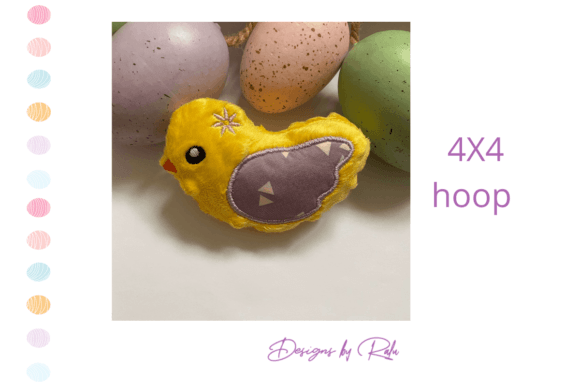
The title In the Hoop Chick suggests something approachable and quick to produce, which is exactly what busy crafters need. The description highlights two distinct variants: a "Chick Girl with flower" and a "simple, without flower." From a product development standpoint, having these two options is a strategic advantage. The version with the flower appeals to customers looking for a soft, farmhouse, or springtime aesthetic, while the simple version offers a clean, modern, or rustic look that works well for minimalists. Both result in a cute chick ornament, which immediately signals high giftable potential. The fact that it is described as an easy project made in one hoop is music to a small business owner's ears; it means lower production time per unit and higher profit margins.
Product Placement: Where Does It Shine?
When planning a booth display, I look for items that catch the eye from a distance but reveal quality upon closer inspection. The In the Hoop Chick design is incredibly versatile across various product categories. For a tote bag design, this chick acts as a perfect focal point on the front panel or a playful accent near the handle. On aprons, it transforms a standard kitchen item into a charming conversation starter, especially when paired with the floral variant. Similarly, for tea towel embroidery, the design adds a touch of personality to a functional item that buyers often purchase as a housewarming gift.
I also see great potential for smaller goods like fabric pouches, embroidered patches, and cap decorations. Because the design is created to be an ornament within the hoop, it translates beautifully to small-scale items like zipper pouches or keychain holders. For digital sellers creating printable mockups, the simplicity of the chick allows for clear visualization on different backgrounds, making it easier to create compelling Etsy listings. Whether you are selling finished physical goods or digital assets, this design offers a strong foundation for brand consistency.
Selling Points: Visual Appeal and Production Flow
One of the most critical factors for a successful craft fair product is how quickly a customer can understand the value proposition. The In the Hoop Chick design achieves this instantly. It feels bold enough to stand out but soft enough to feel inviting. In terms of photography, the clean lines and defined shapes of the chick ensure that it photographs well for online listings, even on textured fabrics. This clarity is essential for Etsy sellers who rely on images to drive sales before the customer can touch the item.
From a production perspective, the "one hoop" nature of the design is a massive selling point. It reduces the complexity of the workflow, allowing for faster batch production. If you are running a small shop product line, being able to set up a stack of blanks and run them through the machine without frequent re-hooping or complex digitizing adjustments is a game-changer. The design feels repeatable and reliable, which builds confidence in your ability to fulfill orders consistently. It strikes a balance between a decorative element and a standalone piece of art, giving you flexibility in pricing and bundling strategies.
Practical Considerations and Potential Pitfalls
While the design sounds promising, every embroidery file requires careful scrutiny before mass production. As a designer, I always advise checking the stitch density and tiny details. If the chick includes fine lines or small lettering, there is a risk that these details might get lost if the design is scaled down too much or if the thread colors do not provide enough contrast. This is particularly important when working with thick fabrics or textured towels, where the fabric texture can sometimes interfere with the clarity of the stitches.
Another area to watch is the application on curved surfaces like caps. While the design is likely optimized for flat surfaces, applying it to a curved cap requires specific techniques to avoid puckering or distortion. Additionally, dark fabrics can sometimes make light-colored threads appear dull unless underlay stitching is sufficient. Buyers will notice if the design looks muddy or if the edges are jagged, so ensuring high-quality thread colors and proper stabilizer usage is non-negotiable. Always test the design on scrap fabric to confirm that the stitch density holds up and that the final product feels premium rather than cheap.
Designer's Notes for Success
To maximize the success of the In the Hoop Chick in your own inventory, I recommend following a few strict protocols. First, always test the design on the actual fabric you intend to sell. Check the thread contrast against both light and dark materials to ensure visibility. Second, review the spacing carefully; since this is a one-hoop project, the placement relative to the edge of the garment or accessory is crucial for a professional finish. Confirm the hoop size required by the file to ensure it fits your available equipment and the dimensions of your chosen products.
Using the right stabilizer is equally important. A lightweight cut-away or tear-away stabilizer might be needed depending on the fabric weight, so experimenting beforehand will save you from ruined batches. Create at least one real mockup of your intended product, such as a finished tote bag or a tea towel, to photograph for your marketing materials. Finally, before listing any items for sale, confirm the commercial licensing terms of the digital embroidery file. Understanding whether you have the rights to sell finished products is vital for protecting your business.
Final Thoughts on Market Viability
The In the Hoop Chick design represents a smart investment for anyone looking to expand their range of handmade gifts and boutique items. Its cute aesthetic, combined with the ease of production, makes it an ideal candidate for seasonal markets, holiday sales, and year-round online stores. By paying attention to the nuances of fabric choice, thread selection, and finishing touches, you can turn this simple design into a standout product that drives customer engagement and boosts your brand reputation. Whether you are a seasoned pro or just starting your journey in commercial embroidery, this design offers a solid platform for creativity and profit.