Thankful Mini: A Designer's Honest Review for Real Projects
As an embroidery designer who spends hours testing new digital assets before adding them to my own commercial collections, I approach every download with a mix of excitement and caution. When I first encountered the Thankful Mini design on Creative Fabrica, my initial reaction was one of curiosity. It promised simplicity, but in the world of machine embroidery, simplicity is often the hardest thing to execute perfectly. This review focuses on how this specific embroidery file performs when moved from the screen to a real-world project, whether you are creating custom apparel, handmade gifts, or items for your Etsy shop.
The First Impression: Mood and Design Personality
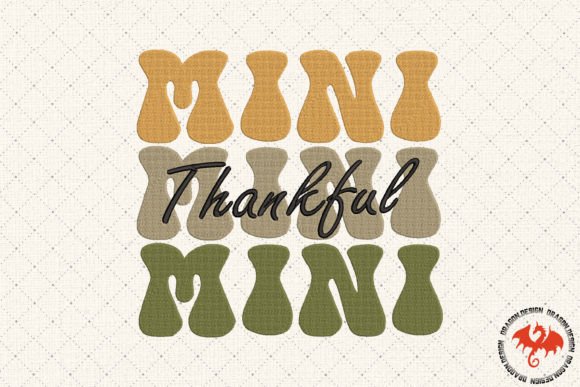
The moment you open the preview for Thankful Mini, the visual mood is immediately clear. It captures the warm, cozy essence of the season without being overwhelming. Unlike some designs that rely on heavy fill stitches or complex applique techniques, this piece leans into the elegance of minimalism. The typography feels hand-crafted yet precise, suggesting a design that will look excellent on a variety of surfaces.
For designers looking for design assets that fit seamlessly into a brand aesthetic, this is a strong contender. The layout is balanced, making it ideal for small hoop sizes where space is at a premium. Whether you are planning a kitchen towel for a holiday gift or a subtle accent on a baby blanket, the Thankful Mini design offers a clean, professional look that elevates the finished product. It avoids the cluttered feel of many seasonal templates, allowing the text itself to be the star of the show.
Real-World Application: From Digital File to Finished Product
The true test of any machine embroidery design is how it translates to physical fabric. I analyzed how Thankful Mini might perform across several popular categories for crafters and small business owners.
- Custom Apparel and Sweatshirts: For a sweatshirt or hoodie, the compact nature of this design works beautifully. It allows for placement on the chest pocket or the center back without dominating the garment. However, because it is a "mini" design, thread color contrast becomes critical. On a dark sweatshirt, you will need high-density thread choices to ensure the text pops against the fabric.
- Tote Bags and Aprons: These are staples for the Thanksgiving season. The design fits perfectly on canvas tote bags, offering a charming detail that customers love. When used on an apron, the Thankful Mini can serve as a focal point near the bib area. The stitch density appears manageable, which reduces the risk of puckering on heavier fabrics like denim or thick cotton canvas.
- Baby Items and Nursery Decor: Soft textures require careful handling. If you are embroidering a baby blanket or a onesie, the smaller scale of this design ensures it doesn't overwhelm the delicate fabric. It adds a touch of sentimentality that makes for a perfect personalized gift.
- Home Decor and Accessories: Pillow covers and kitchen towels benefit greatly from the clean lines of this design. It pairs well with rustic or modern farmhouse aesthetics, making it versatile for boutique merchandise. You can even use it as part of a set, combining it with other elements to create a cohesive collection.
Navigating Technical Challenges
While the concept is simple, execution requires technical skill. As a professional, I must highlight the areas where Thankful Mini demands attention during production.
Hoop Size and Stitch Density: Because this is a mini design, it likely sits within a small hoop footprint. This means the stitch density per square inch could be higher than expected. Before committing to a full run, always check the stitch count and density in your digitizing software. High density on stretchy fabrics like jersey or fleece can cause the material to pucker significantly if not stabilized correctly. Using the proper stabilizer is non-negotiable here; tear-away or cut-away backing depends entirely on the fabric type you are using.
Curved Surfaces and Caps: Embroidering on a curved cap surface presents unique challenges. Small lettering can become distorted if the hooping is not tight enough or if the cap shape is too rounded. While Thankful Mini is designed to be adaptable, the tiny details may lose definition on a highly curved brim. Testing on scrap fabric first is essential to see if the thread tension holds up on the curve.
Dark Fabrics and Thread Contrast: One of the most common pitfalls in commercial embroidery is poor thread selection. On dark backgrounds, light threads can get lost, and dark threads can blend in. You must carefully select thread colors that offer maximum contrast. A quick mockup on a swatch of your actual fabric can save you from a ruined batch of products.
Impact on Product Value and Brand Trust
In the competitive world of handmade goods and digital product selling, presentation matters. A well-executed Thankful Mini design signals quality to your customer. When buyers see crisp satin stitches and clean edges, they trust that the item is durable and professionally made. This builds brand consistency and encourages repeat purchases.
Furthermore, the versatility of this design allows for creative product photography. You can stage the embroidered tote bag next to autumn leaves, place the kitchen towel on a rustic table, or feature the pillow cover in a cozy living room setting. These visual cues enhance the perceived value of your handmade product. For sellers creating printable mockups, having a clean, high-resolution vector or embroidery file ensures that your digital previews look as good as the final result.
Practical Notes for the Smart Designer
If you are considering adding Thankful Mini to your workflow, here are some practical steps to ensure success:
- Test on Scrap Fabric: Never start with your final product. Run a test stitch on a scrap piece of the same fabric and stabilizer combination to check for puckering and thread breakage.
- Review File Details: Check the product page on Creative Fabrica for specific file formats (such as .dst, .pes, .exp) and recommended hoop sizes. Ensure the format matches your machine capabilities.
- Inspect Small Details: Zoom in on the digitized file to inspect the small lettering. Ensure there are no loose jumps or unnecessary trims that could weaken the design.
- Confirm Licensing: If you plan to sell finished items, carefully review the license terms on the product page. Some licenses allow for limited commercial use, while others may restrict the number of units sold.
- Check Colorways: Compare the design on both light and dark fabric mockups before listing your product. This helps you advise customers on the best color combinations.
The Thankful Mini design is more than just a seasonal graphic; it is a tool for creating meaningful connections through craft. Whether you are making a gift for a friend or building a line of embroidered patches for your shop, this design offers a solid foundation. By paying attention to the technical nuances of stitching and stabilization, you can transform a simple digital file into a cherished personalized gift that stands the test of time.
Ultimately, the decision to use this asset comes down to your specific needs and the quality of your setup. With careful planning and a keen eye for detail, Thankful Mini can be a valuable addition to your repertoire of digital embroidery files.