Baby Embroidery Design Review for Boutique Apparel
As an embroidery designer who spends countless hours evaluating digital assets for commercial use, I approach every new file with a mix of skepticism and hope. We are always hunting for that perfect intersection of aesthetic appeal and technical reliability. Recently, I reviewed the Baby design from the Nursery category to determine its viability for a premium sweatshirt collection intended for a small boutique brand. This review breaks down my professional assessment, focusing on how this piece translates from screen to fabric, particularly when applied to high-quality apparel.
First Impressions and Aesthetic Evaluation
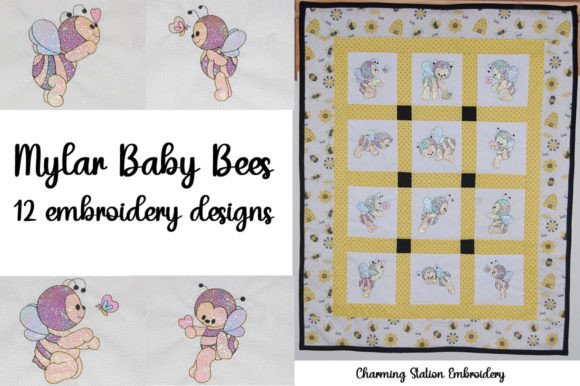
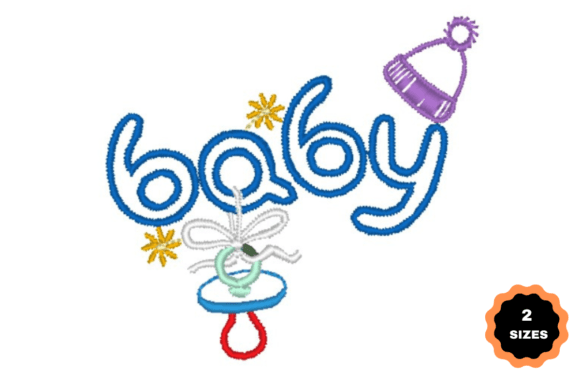
The moment I opened the preview for Baby, the mood was immediately clear: it is designed to evoke warmth, tenderness, and a touch of whimsy. The description promises an "extraordinary look" and a "nice accent," which suggests the design is not meant to be the sole focal point but rather a sophisticated detail that elevates the garment. In the context of a Nursery themed collection, this design strikes a balance between playful and refined. It avoids being overly childish or cluttered, making it suitable for modern parents who appreciate minimalist yet meaningful decor and apparel.
Visually, the layout appears clean, allowing the specific details of the motif to shine without overwhelming the viewer. For a boutique brand, this subtlety is crucial. We want customers to feel a connection to the product, and a design that whispers rather than shouts often builds stronger emotional engagement. The personality of the stitching seems delicate, suggesting a handcrafted feel that aligns perfectly with the values of handmade businesses and Etsy sellers.
Application on Sweatshirts and Hoodies
Sweatshirt embroidery presents unique challenges due to the thickness and texture of the fabric. When considering Baby for a limited drop of cozy seasonal apparel, placement is key. I envision this design performing exceptionally well as a chest-level accent on neutral-toned hoodies. The softness of the design complements the ruggedness of fleece or cotton blends, creating a pleasing contrast in textures.
For dark fabrics, such as charcoal or navy, the thread colors will need to be carefully selected to ensure visibility. If the design includes light pastel threads, they may get lost in deep backgrounds unless the stitch density is sufficient. Conversely, on pastel-colored sweatshirts—think lavender, mint, or cream—the design might blend too softly if the thread choice lacks contrast. My recommendation would be to use crisp white or metallic accents to make the Baby motif pop against lighter backgrounds, ensuring the "extraordinary look" promised in the description is actually realized in the finished product.
Oversized hoodies are currently trending, and this design could serve as a subtle back print or a small sleeve accent. A small, precise execution on the cuff or near the hem can add a touch of surprise and luxury. It transforms a basic commodity into a custom apparel item that feels curated and special.
Technical Considerations for Production
Before committing to production, several practical concerns must be addressed. First, we must evaluate the stitch density. Embroidery on thick sweatshirt material requires enough density to stand up against the fabric nap without looking sparse or unfinished. If the design is too open, it may lose definition after washing. I advise testing a sample run to check for puckering, especially if the hoop size is large relative to the design area.
Stabilizer choice is equally critical. For knit fabrics like sweatshirts, a cut-away stabilizer is non-negotiable to maintain shape over time. Using a tear-away might result in distortion once the garment is worn and washed repeatedly. Additionally, the fabric texture of premium sweatshirts can sometimes obscure fine details. If the Baby design relies on very thin lines or tiny text, it may become unreadable on heavier materials. Designers should verify the minimum line width and adjust the scale if necessary.
Another vital factor is washing durability. Commercial embroidery must withstand multiple wash cycles without fraying or losing color vibrancy. While the description mentions the design comes with "multiple embr" (likely implying multiple formats or color options), it does not specify the exact file format or hoop size. As a responsible designer, I cannot assume compatibility. You must check the source files for their specific technical requirements before integrating them into your workflow. If the digital embroidery file is not optimized for heavy fabrics, you may encounter issues with needle penetration or thread breakage.
Impact on Brand Identity and Value
In the world of Etsy seller and small shop operations, visual recognition is everything. A well-executed embroidery design adds tangible value to a small shop product. Customers are willing to pay a premium for items that look professionally made. The Baby design, with its gentle aesthetic, can enhance brand identity by signaling quality and attention to detail.
When creating printable mockup previews for listings, the way the design sits on the fabric communicates the final result. High-quality photos showing the texture of the stitches and the drape of the sweatshirt help build buyer trust. A blurry or poorly lit image can undermine even the best design. Therefore, investing in good lighting and accurate representation is part of the design process itself.
Furthermore, this design supports lifestyle product photography beautifully. Imagine a model wearing the hoodie, the Baby motif peeking out subtly, evoking feelings of comfort and care. This emotional resonance drives customer engagement and conversion rates. It turns a simple garment into a story.
Final Verdict for Creative Entrepreneurs
The Baby embroidery design holds significant promise for boutique brands looking to expand their nursery or lifestyle collections. Its versatile nature allows for creative application across various apparel types, from oversized hoodies to fitted tees. However, success depends on technical execution.
- Thread Colors: Experiment with contrasts to ensure readability on different fabric bases.
- Fabric Texture: Test on your actual stock to account for nap and thickness.
- Stabilizer: Use cut-away for long-term durability on knits.
- Details: Verify the exact machine embroidery design specifications, including stitch count and file format, before mass production.
By addressing these technical points, you can transform this lovely design into a standout finished product that resonates with your audience. For designers, crafters, and digital sellers, paying attention to these nuances separates amateur attempts from professional-grade commercial embroidery. The Baby design offers a solid foundation for creating memorable, high-value items that celebrate the joy of handmade goods.
Ultimately, the goal is to create something that feels personal and precious. With careful planning and attention to detail, this design can achieve exactly that, offering an extraordinary look that sets your brand apart in a crowded marketplace.