Mylar Baby Bees Review for Small Business Merch
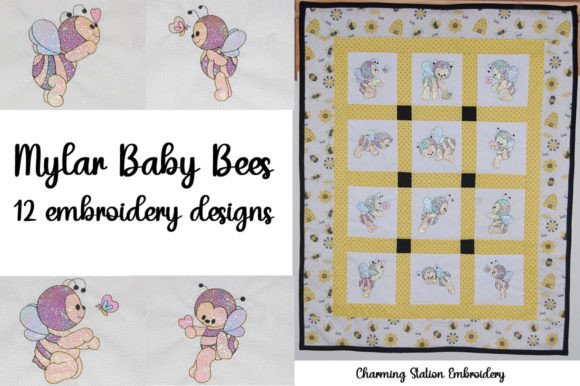
As an experienced embroidery designer who has spent years refining digital assets for commercial use, I approach every new design file with a critical eye. When evaluating Mylar Baby Bees, my focus shifts immediately from simple aesthetics to practical application. This collection is not just a set of cute graphics; it is a strategic asset for small business owners, embroidery shops, and handmade brands looking to elevate their product lines. The description highlights that this set includes 12 charming little baby bee designs optimized for use with Mylar, making them ideal for creating a cohesive nursery theme or distinct branded items.
First Impressions: A Blend of Playful and Professional
The initial reaction to Mylar Baby Bees is one of warmth and approachability. In the crowded marketplace of small business merch, visual personality is everything. These designs strike a perfect balance between being playful enough for a boutique nursery collection and professional enough to appear on high-quality staff uniforms. The title suggests a "Nursery" category, which implies softness, but the mention of optimization for Mylar signals durability and a premium finish.
For a creative studio or a local bakery, these designs offer a versatile identity marker. They are not overly ornate, which allows them to function well as subtle accents rather than overwhelming focal points. Whether you are designing for a pet brand, a florist, or a handmade shop, the friendly nature of the bees conveys trust and community. This is exactly the kind of design asset that helps a customer feel an emotional connection to your brand before they even touch the product.
Real-World Application in Commercial Embroidery
When I reviewed the potential uses for Mylar Baby Bees, several high-value applications stood out immediately. For a café or a boutique, these designs are perfect for creating custom embroidered patches. A single bee can serve as a chest logo accent on a work shirt, while a cluster could adorn the back of a tote bag. The fact that there are 12 variations means you can create a rotating collection of staff apparel without repeating the exact same image, keeping the uniform fresh and engaging.
I also envision these files working exceptionally well for event merchandise. Imagine a craft fair where vendors offer embroidered patches featuring different bees from this set. Customers love unique, handmade additions to their gear. Furthermore, for Etsy sellers and digital embroidery file buyers, this collection offers a ready-made solution for custom apparel. You can produce apron embroidery for a cooking class, cap embroidery for a summer sale, or label tags for your handmade products. The versatility extends to product packaging accents as well, adding a tactile, premium feel to your shipping boxes.
The inclusion of 12 designs makes this particularly valuable for a baby quilt project, as noted in the product description. However, for a business perspective, the ability to use these individually on a variety of items—from caps to tote bags—maximizes your return on investment. It transforms a single purchase into a multi-product marketing campaign.
Strategic Considerations and Limitations
While the charm of Mylar Baby Bees is undeniable, an experienced designer knows that not every design fits every surface. There are specific scenarios where caution is required. If you plan to use these designs on small patch sizes, you must verify the stitch density. Designs intended for larger quilts may lose detail when scaled down significantly for a pin-back patch or a tiny sleeve detail.
Curved surfaces like the front of a cap present another challenge. While bees are generally round and forgiving, intricate outlines can distort if the hoop size is not perfectly matched to the curvature of the hat. Additionally, if your brand uses dark uniforms, the thread color contrast becomes critical. Light-colored bees might get lost against navy or black fabric unless a high-quality underlay and contrasting thread colors are used. Textured fabrics, such as heavy canvas or fleece, can also hide fine details, so testing is essential before committing to a bulk run.
Frequent washing is another factor to consider. Items like aprons and work shirts undergo rigorous cleaning cycles. While the Mylar optimization suggests durability, the longevity of the design depends heavily on the stabilizer used and the quality of the stitching. Without proper stabilization, even the best digital embroidery file can pucker or unravel over time, damaging your brand reputation.
Impact on Brand Identity and Customer Trust
In the world of handmade products and local businesses, consistency is key to building brand identity. Using a cohesive set like Mylar Baby Bees ensures that your visual language remains consistent across all touchpoints. When a customer sees the same charming bee motif on a tote bag, a cap, and a product label, it reinforces professionalism and attention to detail. This visual consistency directly impacts buyer engagement and perceived product value.
A well-executed commercial embroidery project signals that you care about quality. It tells the customer that your brand is established and reliable. Conversely, a poorly stitched logo can undermine years of hard work. By choosing a design optimized for specific materials like Mylar, you are signaling a commitment to premium finishes. This enhances the overall handmade product presentation, making customers more willing to pay a premium for your goods.
Essential Designer Notes for Production
Before integrating Mylar Baby Bees into your production line, follow these practical steps to ensure success. First, test the design in black and white. This removes the distraction of thread colors and allows you to evaluate the shape and spacing of the stitches. If the design looks muddy or unclear in grayscale, it will likely struggle with complex color combinations.
Next, review the thread color contrast. Ensure the chosen colors pop against your target fabric. Inspect the spacing within the design to prevent threads from tangling during the embroidery process. Confirm the recommended hoop size, as using a hoop that is too large or too small can lead to misalignment. Always test on real fabric rather than paper mockups, as the texture of the material affects how the needle penetrates and how the thread sits.
Using the proper stabilizer is non-negotiable. For items like tote bags or caps, a cut-away stabilizer often provides the necessary support to maintain the integrity of the embroidery file after washing. Create a printable mockup for client approval before running a full batch. This allows stakeholders to visualize the final product and catch any issues early. Finally, compare this design beside other design assets in your library to ensure it aligns with your current aesthetic standards.
Most importantly, confirm the commercial licensing terms. Even though this is a high-quality set, you must ensure you have the legal right to use these designs on items for resale. Check the specific license agreement provided by the creator to avoid any legal complications.
By following these guidelines, you can transform the Mylar Baby Bees collection into a powerful tool for your business. Whether you are creating embroidered patches for a charity event or branding a line of baby quilts, this design offers the flexibility and charm needed to stand out in a competitive market. With careful planning and execution, these 12 charming designs can become the signature mark of your next successful product line.