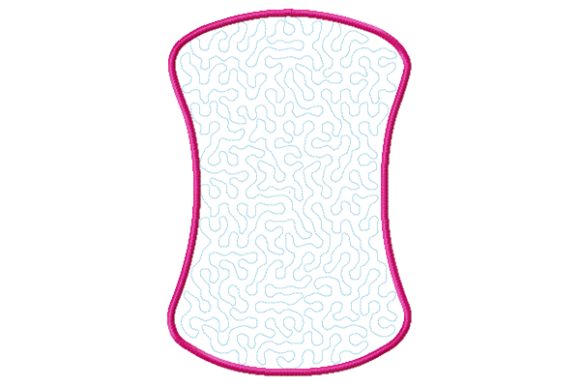
Burp Cloth in the Hoop: A Designer's Review
As an experienced embroidery designer who spends countless hours refining patterns for my own shop, I recently had the opportunity to test a specific machine embroidery design called Burp Cloth in the Hoop. My goal was simple: determine if this piece could stand up to the rigorous demands of a personalized gift shop before I committed to using it on real customer orders. In the world of handmade goods, especially those destined for babies or weddings, the difference between a "nice try" and a professional heirloom often comes down to the quality of the digital file and the execution of the stitch work.
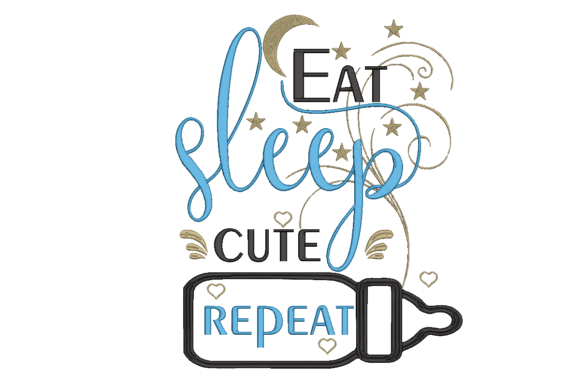
The first impression of Burp Cloth in the Hoop is undeniably warm and inviting. There is an immediate sense of charm that speaks directly to the emotional needs of new parents. Unlike some designs that feel overly rigid or industrial, this one possesses a softness that feels genuinely handmade. It strikes a perfect balance between playful and elegant, making it versatile enough for a modern nursery or a classic family keepsake. When I looked at the design files, the detail level seemed appropriate for a functional item; it isn't so sparse that it looks unfinished, nor is it so dense that it risks damaging delicate fabrics. This emotional appeal is exactly what drives sales for Etsy sellers and small business owners looking to create unique personalized gifts.
From Digital File to Finished Gift
The true test of any embroidery file lies in its versatility. I imagined various scenarios where a customer might want a meaningful embroidered gift. Could this design work as a standalone embroidered towel? Absolutely. Would it translate well onto a pillow cover or even a kitchen apron? The structure suggests yes, provided the hoop size accommodates the layout. For a wedding gift or a baby shower favor, the Burp Cloth in the Hoop concept offers a practical twist on traditional decor. It moves beyond the standard blanket or onesie and offers something tangible that parents will actually use daily.
For those creating custom order previews or printable mockups, this design provides a strong foundation. It allows a seller to showcase how a custom embroidery project can look when finished. Whether you are marketing to baby product creators or digital product sellers, the ability to demonstrate a clean, In the Hoop finish adds significant perceived value. Customers trust products that look polished, and seeing a design that promises a neat, framed edge without loose threads creates a sense of reliability. This trust is crucial for building a brand around handmade products in a crowded marketplace.
Where to Use Caution with Your Design
While the design is charming, every experienced maker knows that context matters immensely. There are specific scenarios where Burp Cloth in the Hoop requires careful consideration. If you plan to use this for small lettering or extremely delicate details, you must be cautious. High stitch density can sometimes cause puckering on thin materials, which might ruin the aesthetic of a delicate baby garment. Similarly, textured fabrics like heavy terry cloth or thick towels can sometimes hide the finer points of the design, making the embroidery look less defined than intended.
I also advise against placing this design on stretchy baby clothes unless you have extensive experience with stabilizers. The nature of a burp cloth is to be used frequently, often involving washing and drying cycles. While the design itself is robust, the fabric choice is critical. Dark fabrics can sometimes make light thread colors disappear, reducing the visual impact of the thread colors you selected. Furthermore, curved surfaces like certain types of bags or rounded pillows can distort the geometry of an In the Hoop project if not hooped correctly. Always remember that a beautiful digital embroidery file relies heavily on the physical properties of the material it is stitched onto.
Practical Notes for the Embroidery Maker
Before you rush to list this item on your shop or start fulfilling orders, there are several technical steps you must take. First and foremost, always test on scrap fabric. Do not assume that a design that works on cotton muslin will perform identically on flannel or bamboo blends. You need to check the stitch density to ensure the stitches aren't too tight, which could cause the fabric to pucker, or too loose, which would leave gaps in the pattern.
Confirming the correct hoop size is another non-negotiable step. An In the Hoop design relies entirely on the stability of the frame during stitching. If the hoop is too small, the machine may struggle, leading to misalignment. Conversely, if the hoop is too large for your specific machine bed, you might face tension issues. Equally important is the choice of stabilizer. For a burp cloth, which needs to remain soft and absorbent, you should select a stabilizer that supports the weight of the stitches without adding unnecessary stiffness. A tear-away or cut-away stabilizer might be necessary depending on the final wash requirements.
When comparing mockups, look at both light and dark fabric options to see how the thread colors interact. Sometimes a color that looks vibrant on a screen appears dull in person due to lighting conditions. After stitching, inspect the finished product closely. Are there loose threads? Is the backing secure? These small details define the difference between a mass-produced item and a custom embroidery piece worthy of a high price point. Finally, verify your commercial licensing. Ensure that you have the right to sell the finished items, as terms vary by creator. Understanding these nuances protects your reputation and ensures your customers receive a top-tier handmade product.
The Value of a Thoughtful Design
In the end, Burp Cloth in the Hoop represents more than just a cute pattern; it represents a thoughtful approach to gifting. It appeals to the desire for items that are both functional and sentimental. For craft fair products or online listings, this design has the potential to attract buyers who are looking for something special for a new arrival or a newlywed couple. It bridges the gap between a simple utility item and a cherished memory.
By treating this machine embroidery design with the respect it deserves—testing thoroughly, choosing the right materials, and understanding its limitations—you can turn a simple digital file into a best-selling asset for your shop. The key is to maintain that balance of artistic flair and technical precision that defines true craftsmanship. Whether you are a seasoned veteran or just starting out, taking the time to evaluate designs like this ensures that every stitch contributes to a story worth telling.